Scooter downtimeKeeping more scooters on the road through faster maintenance and repairs.
← All work
Coup
Mobility · Consumer UX · Field Operations
Coup
Mobility
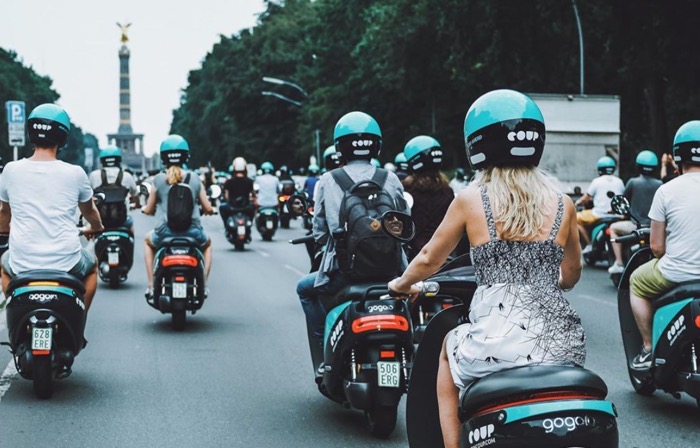
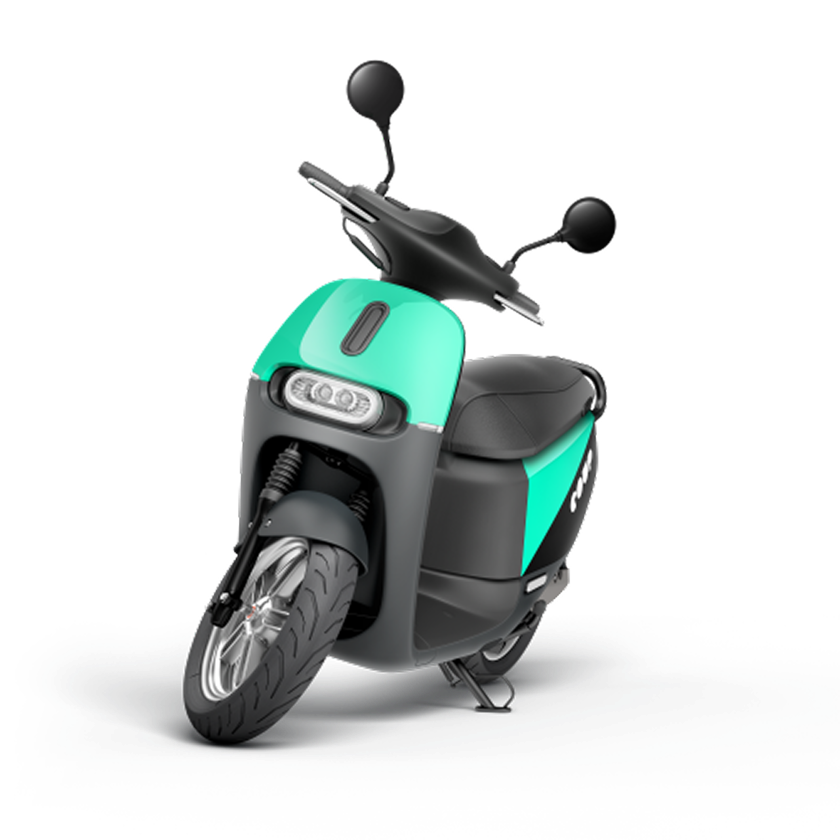
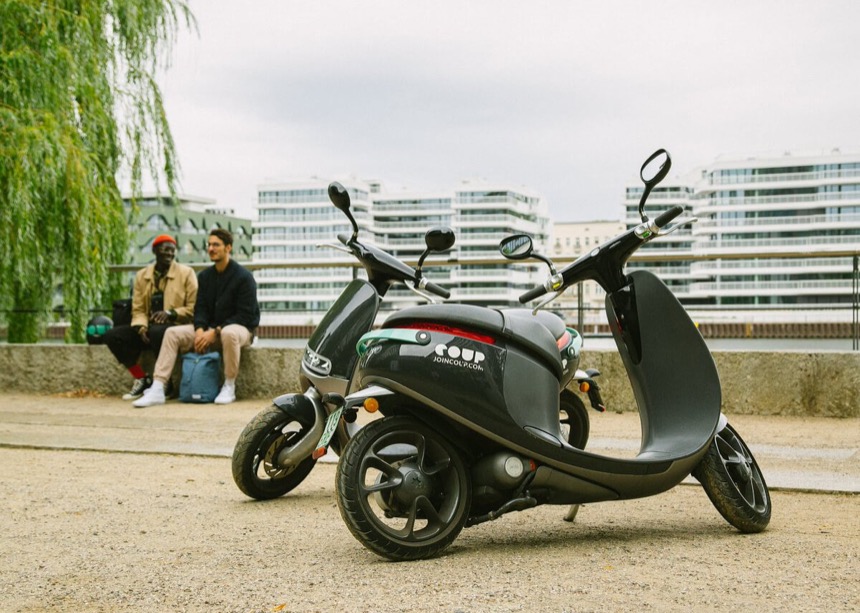
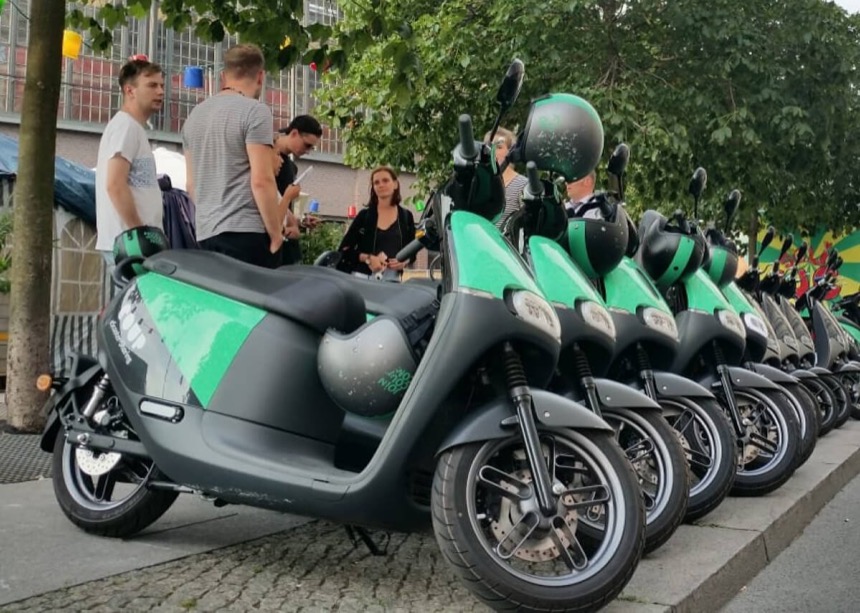
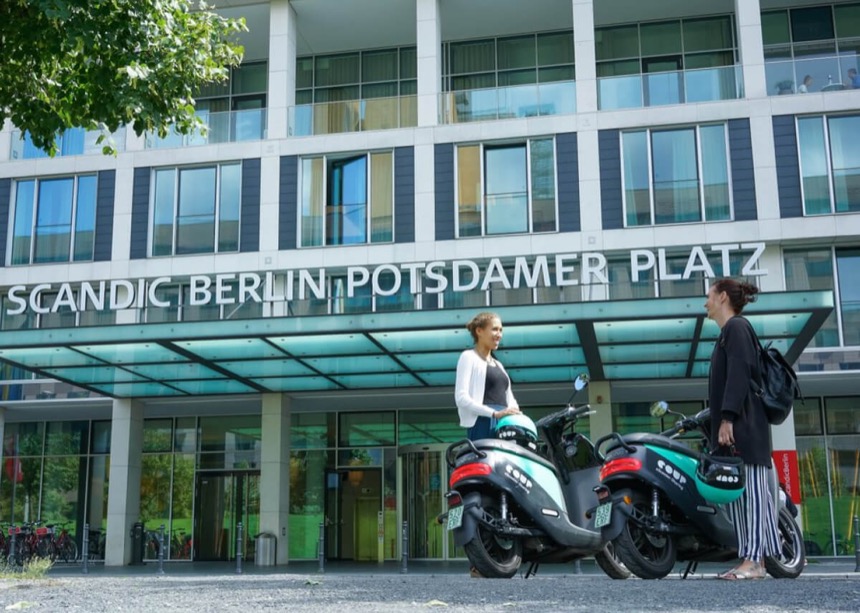
A Bosch-owned e-moped fleet operating across three European cities. I led the redesign of the rider app and designed new fleet management tools, including a dispatcher dashboard and worker app, to support the daily operations behind 5,000 scooters on the road.
5,000
Electric mopeds across
three European cities
three European cities
2
Distinct products designed:
consumer app & ops platform
consumer app & ops platform
Built
Field ops tool created from
scratch, nothing existed before
scratch, nothing existed before
3
Cities. One platform.
Hundreds of field workers.
Hundreds of field workers.
The brief
A product people loved.
An app that kept
letting them down.
Coup was ahead of its time: fully electric, free-floating mopeds across Berlin, Paris and Madrid, before the category had really taken shape. Backed by Bosch and growing quickly, the service had real momentum. But the app was the weak link.
It had been built for speed — get the fleet live, prove the concept — and it showed. Riders were left without the information they needed at the points they needed it, and the service broke down in exactly the places a service has to hold. The first job was to rebuild every interaction around the ride itself, from finding a scooter to ending a trip.
The second challenge was behind the scenes. Coup’s field operations ran on WhatsApp groups and spreadsheets, with no reliable way to assign work, track maintenance or report issues. Every scooter unavailable for longer than necessary meant lost revenue, multiplied across thousands of vehicles and three cities.
There was no dedicated system supporting this operational layer. The opportunity was to design one from the ground up. The dispatcher dashboard and field worker app started with understanding the reality of the work: people maintaining vehicles on the street, in all weather conditions, with limited time and constant pressure to keep the fleet moving.
01
Rebuilt from the ground up,
One in eight rides was
The consumer ride app
Rebuilt from the ground up,
not reskinned.
On paper the old app worked: riders could find a scooter, unlock it and end a ride. In practice it failed them. The information a rider needed in order to decide was missing at the moment they needed it, and the app rarely said what was happening or what to do next. Cancellations and support tickets were the symptoms. The cause was a service that had never been designed as one.
So we did not reskin it. We rebuilt the journey against the basics: does the rider always know what state they are in, what happens next, and what to do when something goes wrong? Interviews across all three cities kept returning the same word — confidence. Riders wanted to know they had picked the right scooter, to understand what the service was doing on their behalf, and to stay in control from start to finish.
We rebuilt every step of the ride: discovery and maps, scooter selection, reservations, pre-ride checks, the ride itself and trip completion. The work was in what the app said and when it said it — which information belonged at each moment, how prompts were timed, and whether a rider could always answer the question “what now?”
Reliability was the other half of the failure. Bluetooth connections between the app and the scooter could drop and unlock attempts could break down, and when they did the app left riders guessing. Experienced users had learned the quirks; new riders were simply stuck. We mapped every moment that caused hesitation, confusion or failure, then rebuilt those flows around clear guidance, honest error states and the fastest route back to moving.
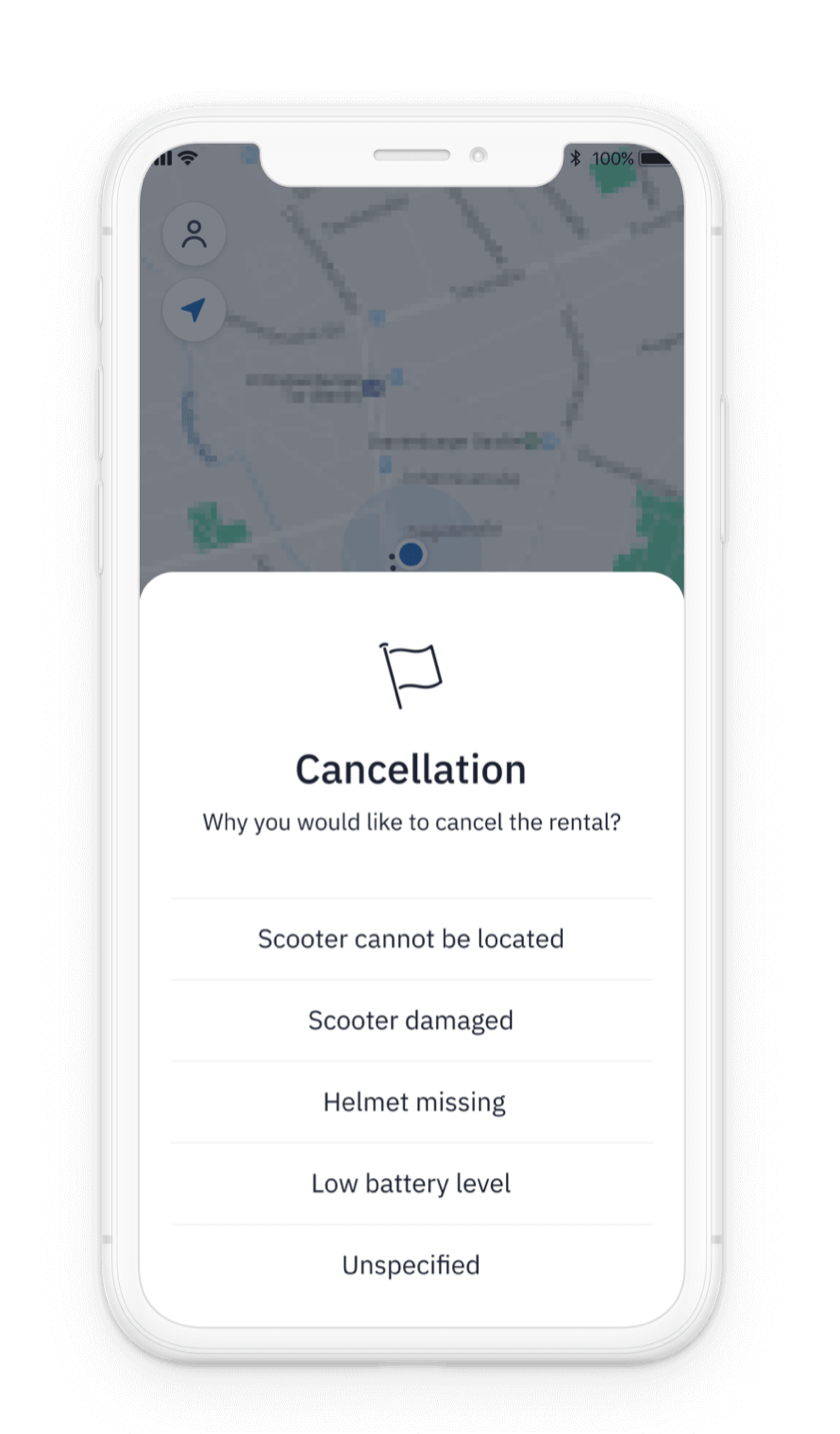
Rebuilding the flow also turned the rider app into a source of operational insight. Rather than relying on riders to report problems, we captured the signal at the moment a problem occurred. A three-tap cancellation flow told the operations team more than a dedicated reporting feature would have, because it matched what riders already did.
Ride UX redesign, before state: mapping friction points across the existing ride flow before redesign
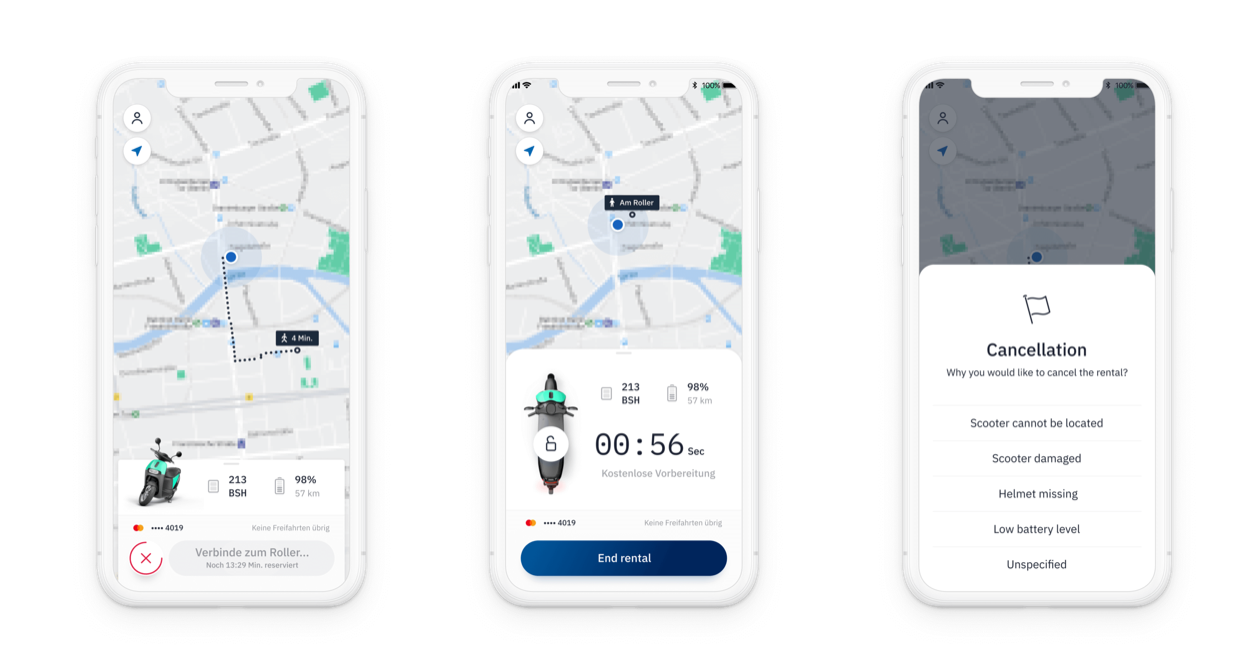
Redesigned ride experience: a clearer flow built around confidence, transparency and keeping riders in control
Passive intelligence
One in eight rides was
cancelled. Nobody knew why.
Around one in eight rides was cancelled before the engine even started. It was costly, but more importantly, impossible to improve because the reasons behind cancellations were invisible. Was the scooter damaged? Was the battery too low? Had the rider selected the wrong vehicle? Was a required item missing? Without reliable data, every improvement was based on assumptions.
We added a lightweight feedback step directly into the cancellation flow: a small set of predefined reasons that riders could select in a single tap before leaving. The experience stayed quick for the rider while creating a structured, timestamped source of operational insight.
For the first time the team could see why rides were failing, and target the issues causing the most friction instead of guessing at them across thousands of scooters.
Cancellation prompt: structured reporting built into a moment riders were already experiencing
02
Testing an expensive idea
03
Nothing existed.
Research before commitment
Testing an expensive idea
before building anything.
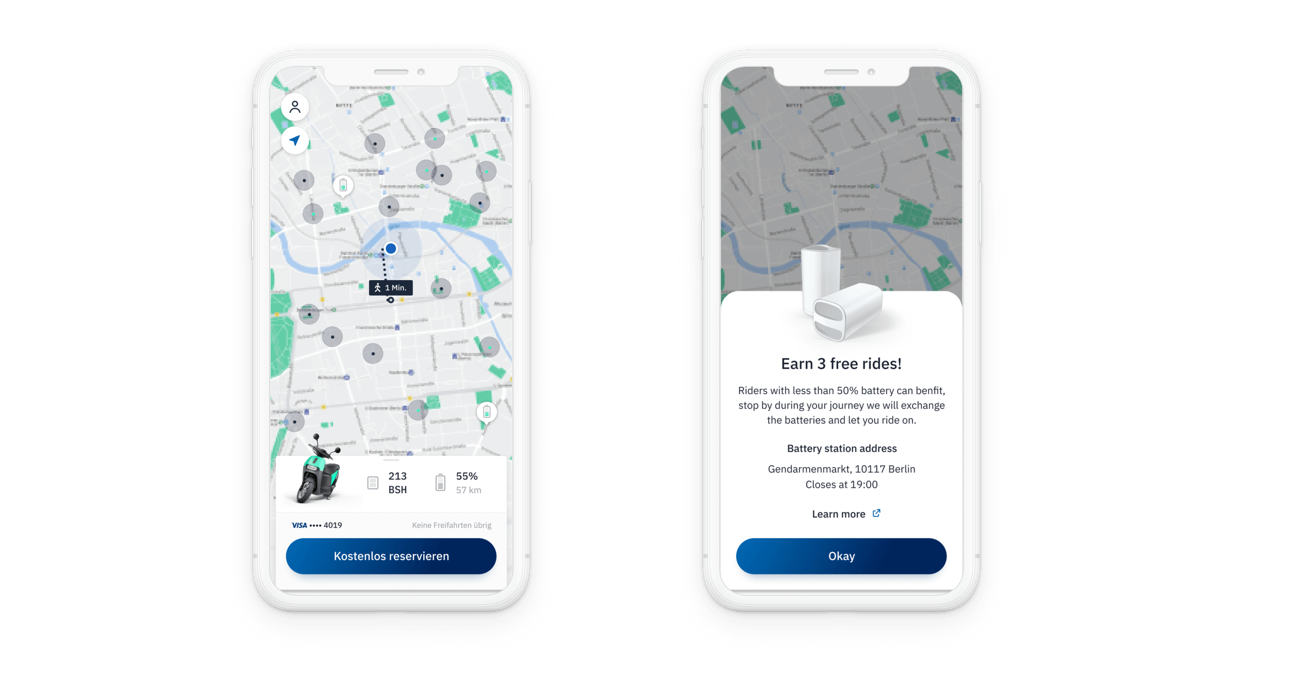
The idea on the table: let engaged riders earn credits by swapping flat batteries themselves, cutting ops costs and reliance on field workers. The appeal was obvious, but validating it properly would have meant building charging infrastructure that didn’t yet exist. An expensive bet to place on a hunch.
Instead we designed a lightweight in-app pilot: small, targeted changes to the existing flow that let us watch how real riders behaved. It produced useful data quickly and cheaply, and gave the business what it needed to decide whether the infrastructure was worth committing to. Design used to answer a question, not to ship a feature.
Community battery swapping pilot: testing intent before infrastructure commitment
The field operations platform
Nothing existed.
We built the whole thing.
Before this existed, ground operations ran on WhatsApp, spreadsheets, and memory. Assignments came through group chats. Maintenance was logged inconsistently, if it was logged at all. Dispatchers had no live view of the fleet, field workers had no reliable way to receive and complete jobs, and there was no central record of what had been done across thousands of scooters.
Every gap had a cost. A scooter with an unresolved fault stayed offline. A field worker without clear priorities wasted time. A dispatcher without accurate information had to make decisions based on assumptions rather than data.
There was no detailed brief, just a blank page. We started by understanding the reality of the work: riding along with field workers, observing dispatchers, and mapping the informal systems teams had created to keep the fleet running.
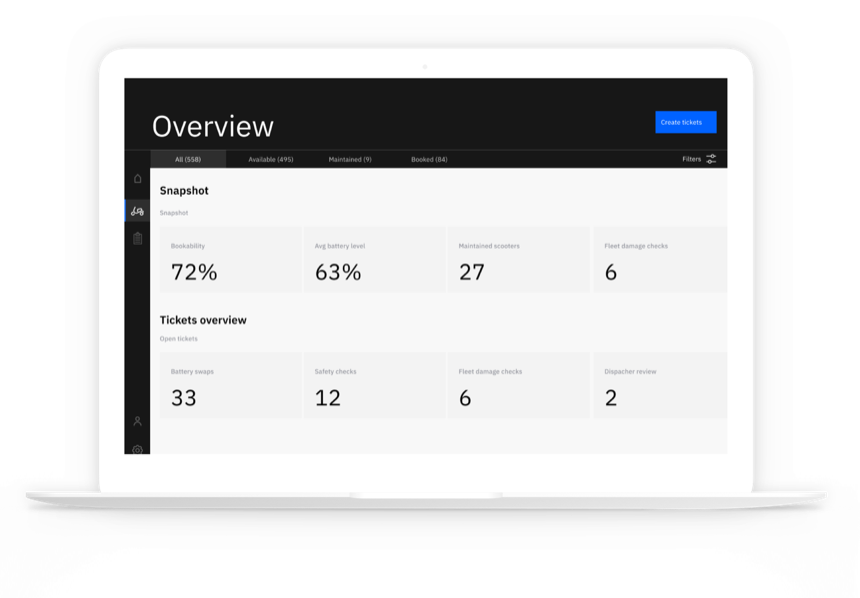
Two distinct needs emerged. Dispatchers needed visibility and control over the entire fleet. Field workers needed clear instructions and a simple way to complete tasks while working on the street. That became two connected products: a web-based fleet management dashboard for dispatchers and a mobile-first app for field workers.
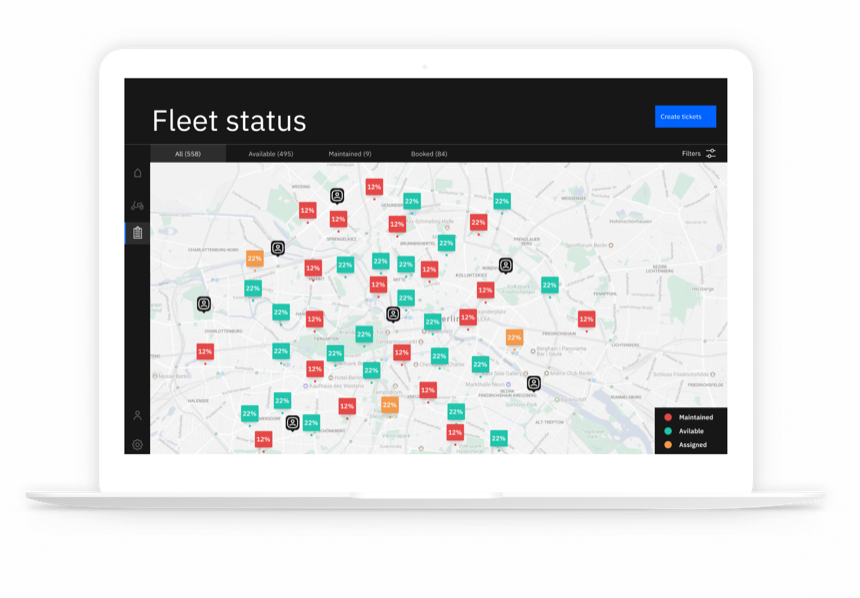
Fleet status at a glance
A live view of every scooter in the fleet, showing availability, issues, and maintenance status. Dispatchers could understand the health of the operation without relying on manual updates.
Structured maintenance logging
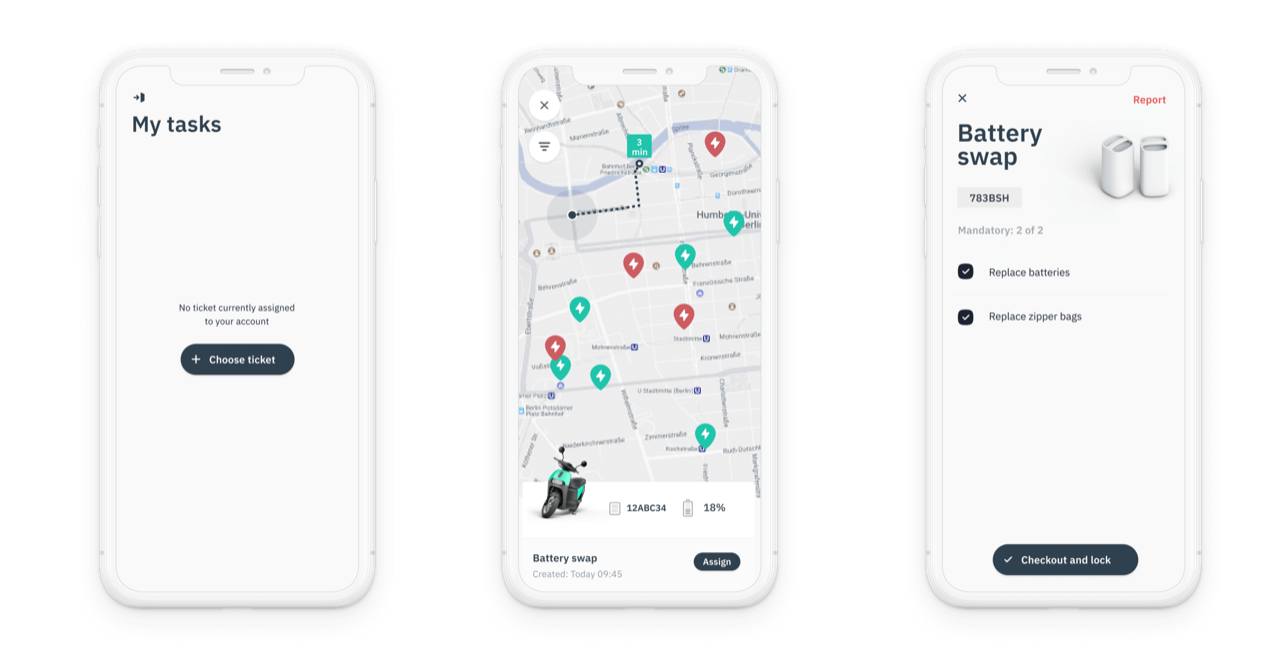
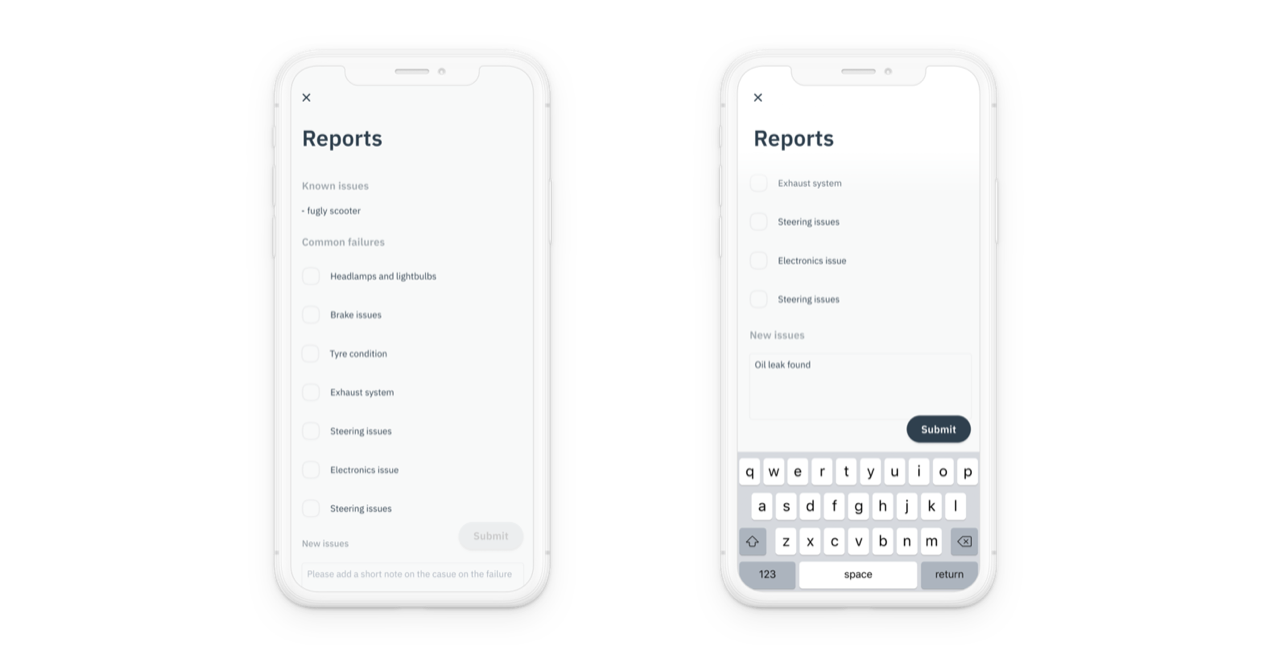
Field workers received clear assignments, completed tasks through guided workflows, and recorded outcomes in a consistent format. Every action created a traceable operational history.
Assignment management
Dispatchers could create, assign, and reprioritise tasks based on fleet conditions. Field workers received jobs directly on their phones, replacing calls and WhatsApp chains with a clear, reliable workflow.
Field worker app: assignments, status updates and maintenance logging in a single flow
Maintenance report: structured outcome logging that built the ops team’s data picture over time
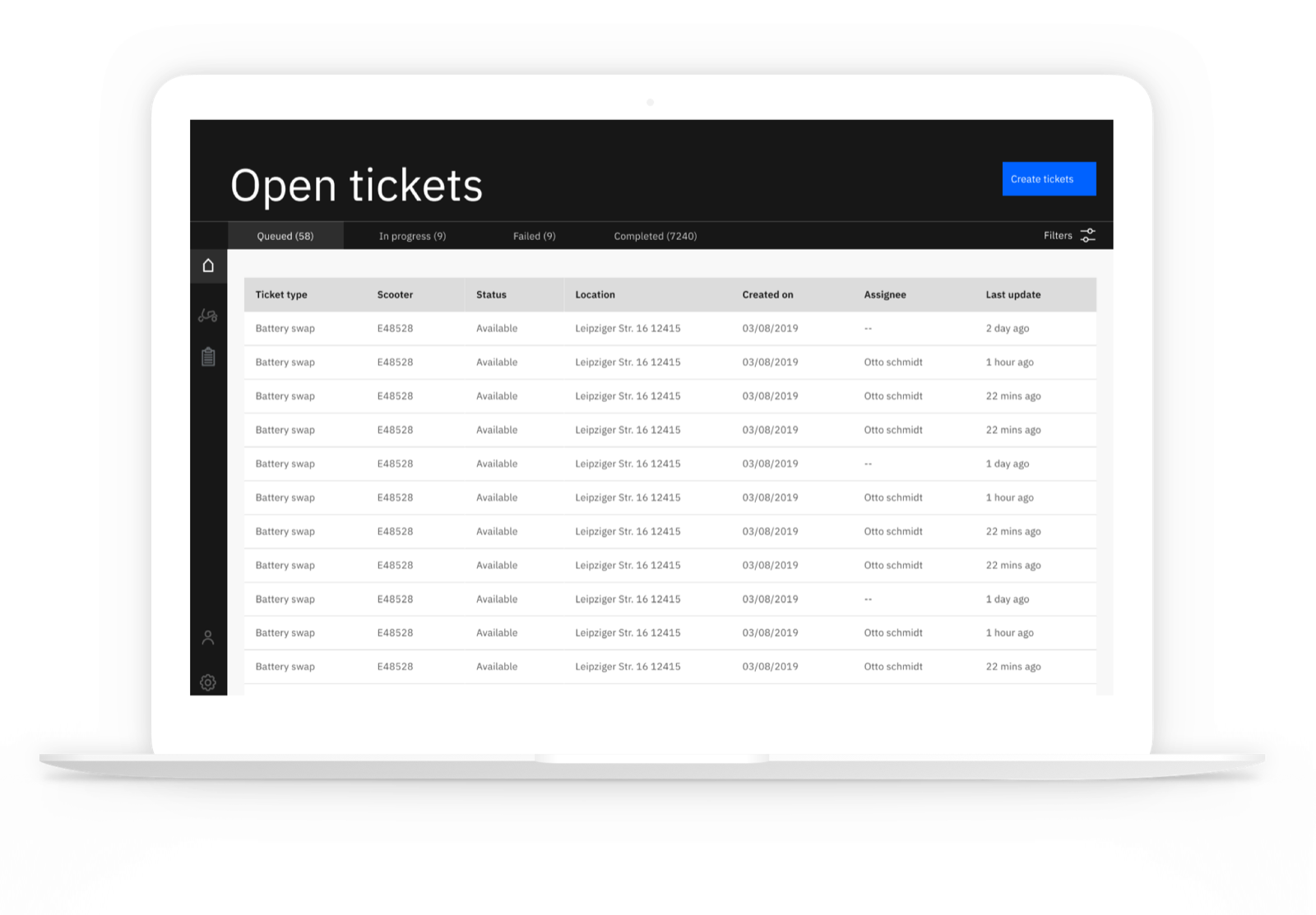
The ticket queue: every field task categorised, assigned and tracked from creation to completion
The field worker app had to hold up in demanding conditions: rain, traffic, winter, often one-handed. Controls had to work with gloves on. Text had to stay legible in full sun. Actions had to be large, obvious and hard to mistake, so a tired worker never had to stop and puzzle over the screen.
Product metrics
How success was defined.
Task completionHelping field teams prioritise and complete work more efficiently.
Manual coordinationReplacing WhatsApp and spreadsheets with structured fleet workflows.
Rides per scooterGetting more trips out of every vehicle in the fleet, each day it is on the street.